Asphalt Sealcoating in Greenville, SC
Asphalt sealcoating is a protective treatment applied to asphalt surfaces to extend their lifespan and maintain their appearance. This service is commonly used on driveways, parking lots, and private roads to shield the asphalt from damaging elements such as water, UV rays, and chemicals like oil and gasoline. Proper sealcoating can help prevent cracks, surface deterioration, and potholes, making it a valuable maintenance step for property owners seeking to preserve their asphalt investments.
Before requesting asphalt sealcoating, property owners often want to understand the current condition of their asphalt surface, including any existing cracks or damage that may need repair beforehand. It's also helpful to know the recommended frequency for sealcoating to ensure ongoing protection. Typically, surfaces should be sealed every few years, depending on usage and weather exposure, to maximize the benefits and keep the asphalt looking and functioning its best.
Many property owners in Greenville, SC look into Asphalt Sealcoating for repairs, replacements, upgrades, and appearance-related improvements.
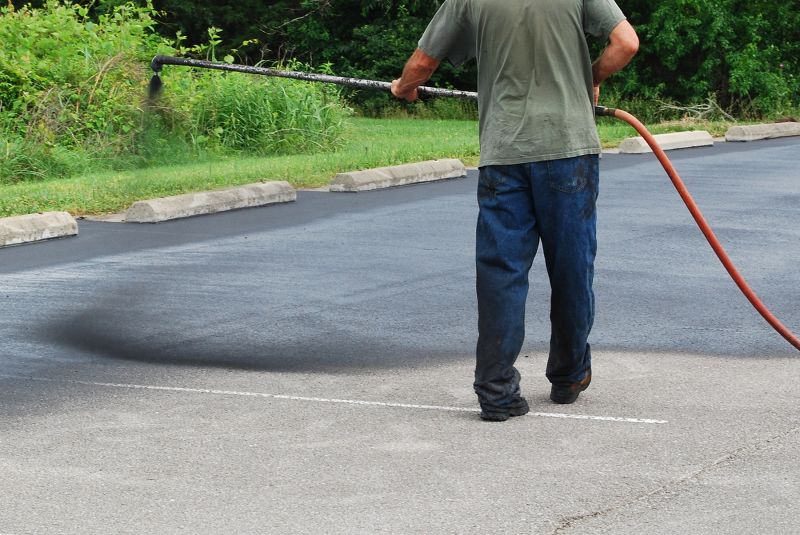
Protecting Driveways And Parking Lots
Sealcoating helps extend the lifespan of asphalt surfaces in residential and commercial properties.
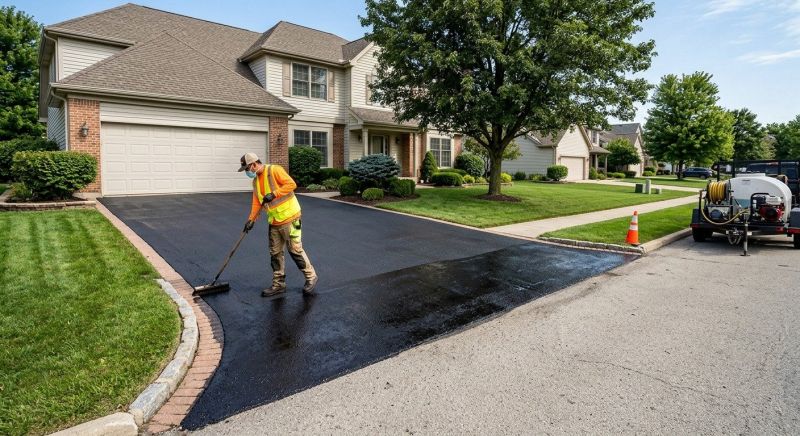
Enhancing Curb Appeal
A fresh sealcoat provides a smooth, black finish that improves the overall look of your property.

Preventing Damage And Cracks
Regular sealcoating shields asphalt from water, uv rays, and daily wear to prevent costly repairs.
Asphalt Sealcoating in Greenville, SC
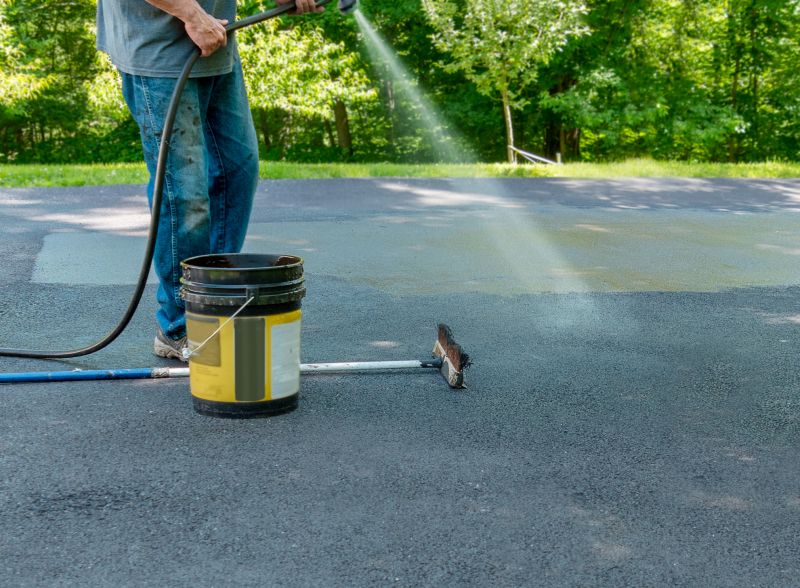
Asphalt sealcoating is a protective treatment applied to asphalt surfaces to extend their lifespan and maintain their appearance. This service is commonly used on driveways, parking lots, and private roads to shield the asphalt from damaging elements such as water, UV rays, and chemicals like oil and gasoline. Proper sealcoating can help prevent cracks, surface deterioration, and potholes, making it a valuable maintenance step for property owners seeking to preserve their asphalt investments.
Before requesting asphalt sealcoating, property owners often want to understand the current condition of their asphalt surface, including any existing cracks or damage that may need repair beforehand. It's also helpful to know the recommended frequency for sealcoating to ensure ongoing protection. Typically, surfaces should be sealed every few years, depending on usage and weather exposure, to maximize the benefits and keep the asphalt looking and functioning its best.
Many property owners in Greenville, SC look into Asphalt Sealcoating for repairs, replacements, upgrades, and appearance-related improvements.
Common Asphalt Sealcoating Jobs
Driveway Sealcoating - protects asphalt surfaces from weather damage and extends lifespan.
Parking Lot Sealcoating - enhances curb appeal and provides a durable surface for commercial properties.
Residential Asphalt Sealcoating - helps maintain driveways and walkways, preventing cracks and deterioration.
Re-Sealing Existing Asphalt - restores a fresh appearance and adds a protective layer to worn surfaces.
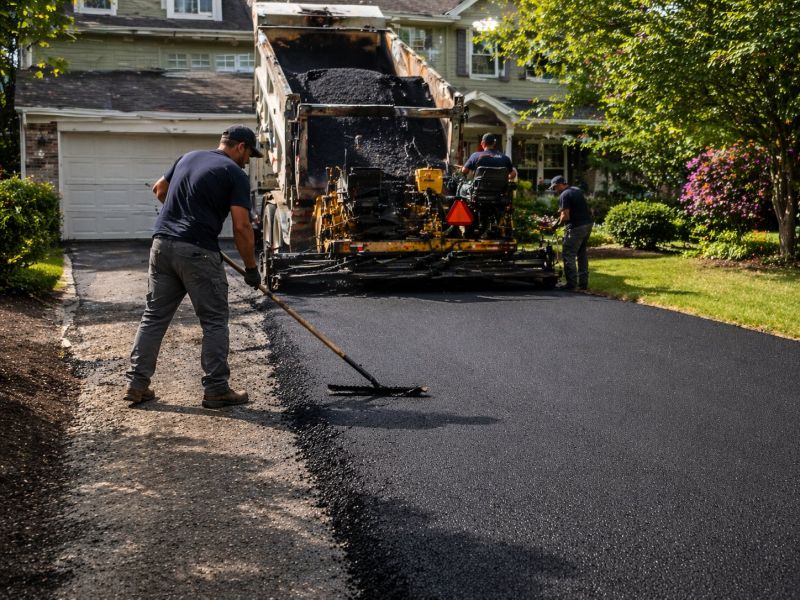
New Asphalt Surface Protection - applies a sealcoat during installation to improve durability from the start.
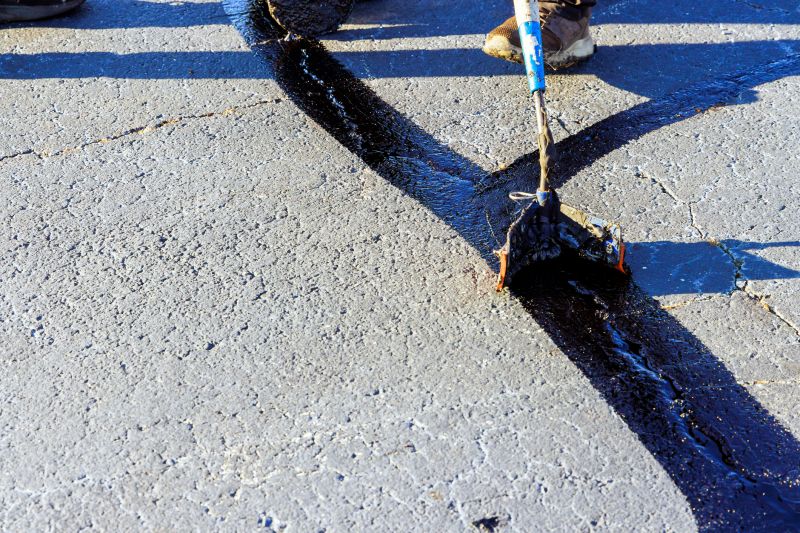
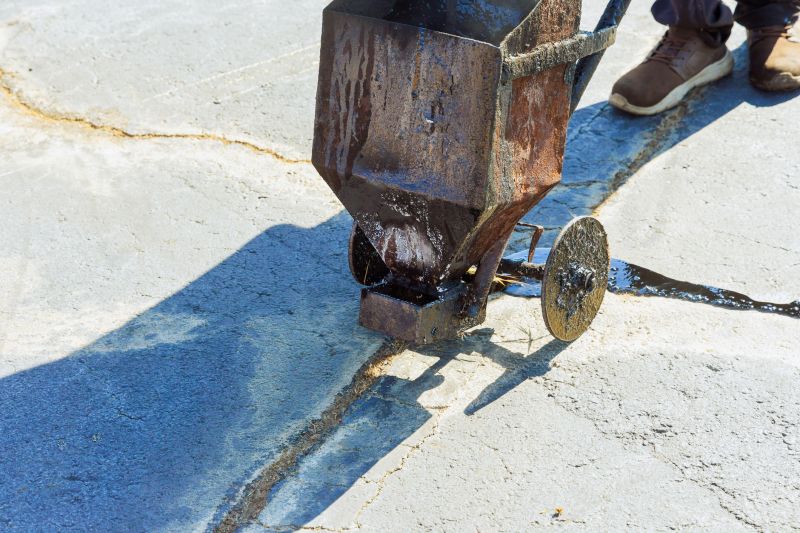
Crack Filling and Sealing - prepares surfaces for sealcoating and prevents water intrusion.
Asphalt Sealcoating Questions
What is asphalt sealcoating used for? It protects asphalt surfaces from damage caused by moisture, UV rays, and chemicals, helping to extend their lifespan.
Which types of projects benefit from sealcoating? Driveways, parking lots, and pathways are common projects that benefit from a protective sealcoat.
How often should asphalt surfaces be sealcoated? Typically, sealcoating is applied every 2 to 3 years to maintain optimal protection.
What are the main advantages of sealcoating? It enhances appearance, reduces surface wear, and helps prevent cracks and potholes.
Request Asphalt Sealcoating in Greenville, SC
Use the quote form on this page to share the basics of your project and request more information for the type of work you need.